





A Luxury Winter Escape to Jim Corbett: What to Expect from November to February
Read More
When the golden sun sets behind the hills of Uttarakhand, a quiet change sweeps over the vast landscape. The daytime birds fall silent, and the warm breeze carries the scent of fresh pine and damp earth. Most tourists return to their rooms to rest, believing the jungle is sleeping. However, a completely different world is just beginning to wake up under the stars.
The dense forest comes alive with shadows, soft rustles, and low calls. It is a time when apex predators and gentle herbivores reclaim their territory. But how do these creatures find their way through the pitch-black jungle without any light? The answer lies in their highly specialized biological adaptations. They use these incredible tools to survive the dark hours in one of the most famous wilderness areas in the country.
The Secret World of Nocturnal Navigators
Have you ever wondered how wild animals manage to travel miles in the dark without bumping into trees? Do they possess a secret map of the forest? Why do some species choose to hunt only when the sun goes down?
To answer these questions, we have to look closely at the science of animal senses. The night world presents many challenges for finding food and keeping away from danger. Yet, the residents of the forest manage to thrive in absolute darkness.
A famous naturalist once noted that the jungle never truly sleeps, and its night shifts are far more active than the daytime hours. The creatures of the wilderness are equipped with unique evolutionary gifts. These sensory skills include advanced hearing, enhanced vision, and a sharp sense of smell.
How the Big Cats Hunt in Silence
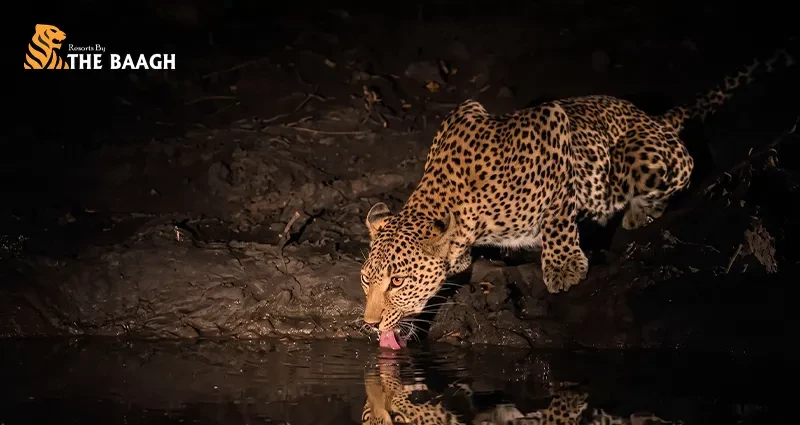
The iconic Bengal tigers and elusive leopards are the true rulers of the night in this region. Their ability to move through the thick undergrowth is nothing short of magical.
- Special eye structure: Tigers possess a reflective layer behind their retina called the tapetum lucidum, which amplifies dim light and allows them to see six times better than humans.
- Sensitive whiskers: Their facial whiskers act as sensory radar, detecting tiny air currents and physical obstacles in the dark to help them navigate tight forest spaces.
- Soft paw pads: Extremely soft and thick paw pads muffle their footsteps completely, allowing them to stalk prey silently over dry leaves and rocky terrain.
- Scent marking: They use their highly developed sense of smell to follow chemical boundaries and scent marks left on trees by other tigers.
Many travelers come to the region hoping to learn about these magnificent beasts. If you want to explore this beautiful wilderness during the day, you should look for premium stay options. Choosing one of the best Jim Corbett National Park resorts can make your holiday highly comfortable.
The Night Vision of Silent Owls and Birds
Birds of prey are another group of amazing night navigators in the Himalayan foothills. They patrol the canopy with unbelievable precision.
- Large tubular eyes: Owls have massive, tube-shaped eyes that gather every bit of available moonlight and starlight, giving them incredible night vision.
- Asymmetrical ears: Their ears are placed at different heights on their heads, allowing them to pinpoint the exact location of a rustling rodent on the ground.
- Fringed feathers: The unique velvety edges of their wing feathers damp the sound of rushing air, letting them fly and hunt in complete silence.
Herbivores and Their Survival Strategies
Deer, wild boars, and Asian elephants also travel through the dark forest. They must remain highly alert to avoid the sharp claws of predators.
- Wide-angle vision: Herbivores like the spotted deer have eyes on the sides of their head, giving them a wide view to spot approaching threats.
- Excellent hearing: Large, mobile ears can rotate independently to catch the faintest sound of a snapping twig from far away.
- Memory and path integration: Research shows that mammals use internal brain cells to count steps and map paths, allowing them to navigate in the dark.
- Herd communication: Elephants use low-frequency infrasound calls that travel through the ground, helping family members stay connected across several kilometers at night.
For a perfect wildlife vacation, you can book special Jim Corbett National Park packages to see these animals in their natural habitats. To experience this, plan a stay at Resorts by the Baagh for great hospitality.
Small Creatures with Super Senses
The smaller residents of the park also have fascinating ways to get around in the dark.
- Echolocation in bats: Bats emit high-frequency sound waves that bounce off objects, creating a detailed sound picture of their surroundings.
- Vibration sensing: Scorpions use tiny, fine hairs on their legs to detect ground vibrations caused by walking insects.
- Civet scent trails: Himalayan palm civets use strong scent glands to leave trails on branches, helping them find their way back to tree hollows.
If you are planning an adventure, it is wise to book the best resort in Jim Corbett National Park to ensure a relaxing trip. Your family will surely love the luxury services of Resorts by the Baagh.
Sustainable Tourism and Forest Conservation
Night tourism inside the core zones is strictly banned to protect the animals. Human activity and bright lights can easily disturb the delicate sensory systems of these nocturnal species. According to the Wildlife Institute of India, maintaining dark, quiet corridors is crucial for the long-term survival of the local tiger population.
When you visit, always respect the rules of the jungle. By staying at eco-friendly properties like Resorts by the Baagh, you support green practices. This helps protect the unique wildlife of this beautiful region for future generations.
If you are searching for the best resorts in Jim Corbett National Park, make sure to choose one that respects nature. Booking your stay at well-known Jim Corbett National Park resorts will allow you to enjoy the wilderness responsibly.
FAQs
1. How do tigers see so well in the dark at Jim Corbett?
Tigers have a special reflective layer behind their retinas called the tapetum lucidum. This mirror-like membrane bounces light back through their eyes, helping them see up to six times better than humans in dim forest conditions.
2. Why are owls able to hunt silently in the dark?
Owls feature specialized fringed edges on their wing feathers that break up the rush of air. This unique structural adaptation muffles sound completely, letting them glide through the night air and drop onto unsuspecting prey without making any noise.
3. Do herbivores sleep or move around at night in the jungle?
Herbivores like deer and wild boars stay active at night to forage and find water, but they remain extremely cautious. They rely on wide-angle vision, acute hearing, and mental maps of the terrain to avoid stealthy predators moving through the shadows.
4. Why is night tourism banned in the core zones of Jim Corbett?
Night tourism is prohibited to protect animal behaviors and protect sensitive sensory systems from flashlights and noise. Wildlife research shows that maintaining dark and undisturbed forest corridors is critical for species survival and natural movement after dark.
5. How do elephants communicate with each other at night?
Elephants use low-frequency infrasound calls that travel right through the ground. Other family members feel these vibrations through their feet, letting them stay connected and coordinate their movements across long distances even in total darkness.
Your Journey, Elevated
Turn Your Getaway Into
An Experience
An Experience
Leave the ordinary behind and discover journeys designed around the moments that matter. From stunning destinations to unforgettable stays, every detail is thoughtfully planned to make your escape feel truly special.
Whether you're looking for adventure, relaxation, or something in between, we're here to help you explore, unwind, and create memories worth taking home.