


Planning a Corporate Offsite in the Hills: A Team Outing Checklist for Bhimtal & Corbett
Read More
Have you ever wondered what it feels like to see a tiger in the wild? Do you want to take pictures that tell a story of the deep forest?
Jim Corbett National Park is a very special place in India. It is located in the state of Uttarakhand. This park is famous for its rich nature and wild animals. Many people come here every year to see the beauty of the woods. It was the first national park made in India. The air here is fresh, and the trees are very tall. It is a great place to escape the busy city life. You will find peace and excitement at the same time.
Top Subjects for Your Lens
Capturing the right subjects is the goal of any camera lover. You need to know what lives in these woods. The park is home to many rare species. Here are the best things to shoot during your trip for wildlife photography at Jim Corbett.
- The Bengal Tiger: The tiger is the most popular animal in the park. Corbett has a high tiger density. You can find them near the river banks during the hot summer days.
- Asian Elephants: Large herds of elephants walk through the tall grass. They look very grand. Capturing them crossing the Ramganga river makes for a perfect photo with a great natural background.
- The Crested Serpent Eagle: This bird is a master of the sky. It sits on high branches to look for prey. Its sharp eyes and feathers are great for close-up shots.
- Gharials and Crocodiles: You can find these reptiles near the river beds. They stay very still in the sun. This makes it easy to get a sharp and detailed picture.
- The Spotted Deer: These animals are very common but beautiful. They have white spots on their brown coats. They are often seen in groups in the open grasslands of the park.
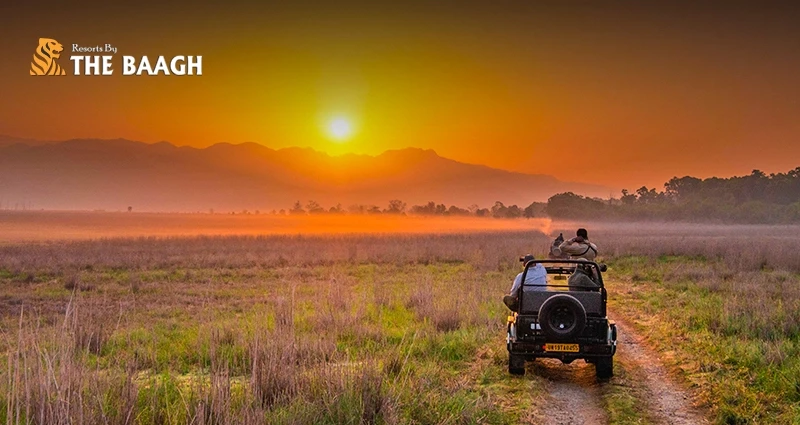
- Vibrant Landscapes: The park has hills and wide valleys. The mist in the morning creates a magical look. You can take wide shots of the forest to show its huge size.
Choosing the Right Time for Your Visit
Timing is everything in nature. You must pick the right season to get the best results. Each month offers something new for your camera. Finding the best location to stay in Jim Corbett will also depend on which zone is open.
- The Winter Season: From November to February, the weather is cool. The light is soft and perfect for photos. Many birds fly from cold lands to stay here during these months.
- The Summer Season: From April to June, the forest becomes dry. Animals come to the water holes to drink. This is the best time to see tigers and other large mammals.
- The Monsoon Season: Most of the park stays closed from July to September. However, some parts stay open. The forest is very green and full of life during the rains.
The Record Books: What Makes Corbett Unique
It is helpful to know some facts about the park. These facts show why this place is so unique. According to the National Tiger Conservation Authority, Corbett has the highest tiger population in a single reserve in India. There are over 260 tigers living within the park area.
The park covers more than 520 square kilometers of land. It was the first park to be part of Project Tiger in 1973. This project helps to protect tigers from dying out. There are also more than 600 species of birds here. This makes it a top spot for bird watchers. If you want a luxury experience, you should look for the best place to stay in Jim Corbett to match your needs.
Where to Base Your Photography Adventure
Staying at a good place makes your trip better. You need a resort that is close to the forest gates. This saves you time in the morning. When you search for the best resorts to stay in Jim Corbett, you should look for comfort and nature.
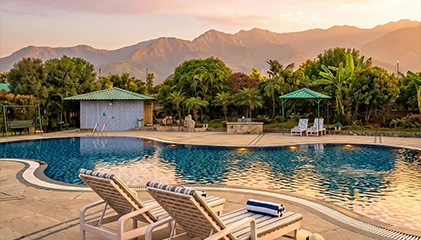
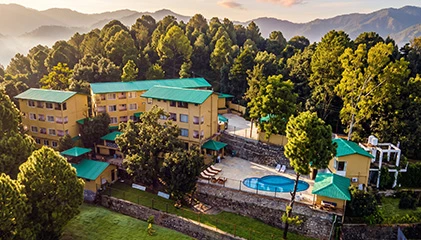
Resorts by the Baagh is a wonderful choice for travelers. It is located near the Sitabani forest area. The resort offers a calm place to rest after a long day of shooting. You can sit in the gardens and listen to the birds.
Planning your wildlife photography at Jim Corbett is easier when the staff knows the area. Good resorts have people who understand the forest. They can help you find the best guides for your safari. This increases your chances of seeing the big cats.
Sharper Shots: Photography Hacks for the Woods
Wildlife does not wait for you. You must be ready at all times. Here are some tips to help you get the best shots during your wildlife photography at Jim Corbett.
- Be Very Patient: You might have to wait for hours to see an animal. Do not get upset. The best shots happen when you stay calm and wait for the right moment.
- Use Fast Shutter Speeds: Animals move very quickly in the wild. You need to set your camera to a fast speed. This helps to freeze the action and avoid blurry photos.
- Respect the Silence: Loud noises scare the animals away. Keep your voice low and turn off your phone. The quieter you are, the closer the animals might come to you.
- Check Your Gear: Always carry extra batteries and memory cards. The forest is big, and you will take many photos. You do not want to run out of space.
Comfort and Nature Combined
At Resorts by the Baagh, you get to stay in the lap of nature. The rooms are large and very clean. You can see the green hills from your window. It is the perfect place to edit your photos at night.
Jim Corbett once said, "The book of nature has no beginning, as it has no end". This means there is always something new to see. Every visit to the forest is a new chapter for your camera. You will never get bored with the sights and sounds here.
Choosing Resorts by the Baagh ensures you have a smooth trip. They offer great food and a warm welcome. This allows you to focus only on your photography. You will go home with many great memories and amazing pictures. The magic of Jim Corbett will stay with you forever.
FAQs
1. Which is the best zone for tiger photography in Jim Corbett?
While tiger sightings are a matter of luck, the Dhikala and Bijrani zones are the most popular for photographers. Dhikala offers vast open grasslands (chaur) and riverbeds that provide clear sightlines for long-range shots. Bijrani is known for its beautiful mixed forest and high tiger density, making it a top choice for close-up portraits.
2. Can I use a flash while taking pictures on a safari?
No, the use of flash photography is strictly prohibited inside the park. Artificial light can startle or disturb the animals, causing them stress or making them flee. To get the best shots in low light, it is recommended to use a camera with good high-ISO performance and a lens with a wide aperture.
3. Do I need special permits for professional photography?
Standard photography with handheld cameras is covered under your basic entry permit. However, if you are planning to use professional filmmaking equipment or drones, you must obtain special permission and pay additional fees to the Forest Department. Drones are generally banned in all core areas of the tiger reserve to protect the peace of the wildlife.
4. What camera gear is recommended for a Jim Corbett safari?
A telephoto lens (at least 300mm to 600mm) is essential for capturing distant tigers and birds. Since the terrain can be bumpy, a bean bag is often better than a tripod for stabilizing your camera on the frame of the safari jeep. Also, carry a wide-angle lens to capture the stunning landscapes of the Ramganga River and the Shivalik hills.
5. Are there any color codes or dress codes for photographers?
Yes, it is highly recommended to wear earth-toned colors like khaki, olive green, or dull browns. Bright colors like red, yellow, or white can distract the animals and make you stand out. Blending into the natural environment allows you to observe wildlife in their natural state without causing alarm, leading to more authentic photos.
Your Journey, Elevated
Turn Your Getaway Into
An Experience
An Experience
Leave the ordinary behind and discover journeys designed around the moments that matter. From stunning destinations to unforgettable stays, every detail is thoughtfully planned to make your escape feel truly special.
Whether you're looking for adventure, relaxation, or something in between, we're here to help you explore, unwind, and create memories worth taking home.