


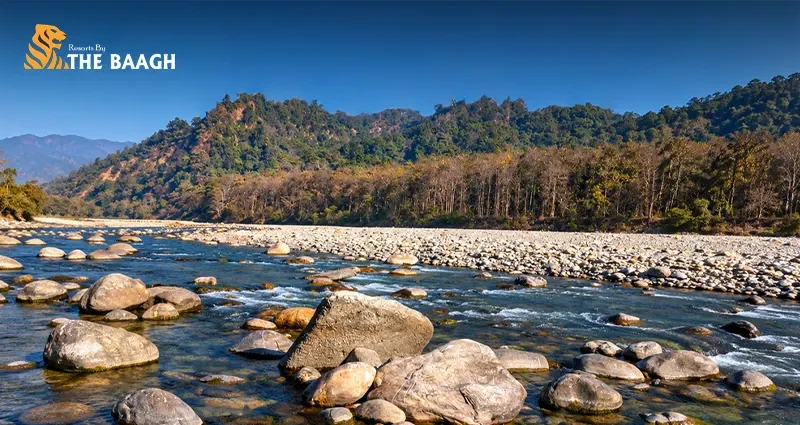
A Luxury Winter Escape to Jim Corbett: What to Expect from November to February
Read More
Taking children into a tiger reserve sounds ambitious until you do it. Then you watch an eight year old spot a chital before the guide does, and it makes sense. Knowing the best time to visit Jim Corbett can make the experience even more rewarding. Jim Corbett, notified in 1936 as India's first national park, is one of the few places where a family holiday doubles as a real lesson in ecology. This guide covers timing, zones, safety and stay choices.
Why Corbett Works So Well for Families
- The reserve covers roughly 1,288 sq km of grassland, sal forest and riverbed, so young eyes stay busy between sightings.
- It supports an estimated 260 tigers, 600 plus bird species and around 50 mammal species, so a blank safari is rare.
- The drive from Delhi runs close to six hours, short enough to avoid backseat meltdowns.
- Divided zones let you pick a shorter safari instead of a full day in the jungle.
Everything else depends on one decision most parents underestimate.
Best Time to Visit Jim Corbett with Children
The park's core zones stay shut from mid June to mid November for the monsoon, so your window is narrower than it looks. Here is the honest breakdown.
November to February: The Family Favourite
- Cool mornings, clear light, excellent birdwatching along the Ramganga.
- Comfortable for toddlers and grandparents travelling together.
- Carry proper woollens, since open jeeps at 6 am can drop near 5°C.
March to mid June: Best for Tiger Sightings
- Water sources shrink, so big cats move into the open more often.
- Afternoons cross 40°C, so book morning slots only.
- Well planned jim corbett national park packages pair an early safari with a lazy resort afternoon, and that rhythm suits children.
Monsoon Months
Jhirna and Dhela stay open through much of the rains, though showers can shut access at short notice. Green, quiet, better for older kids.
Picking the Right Zone for Young Travellers
- Bijrani: Good tiger density, smooth trails, easy entry from Ramnagar.
- Jhirna: Open all year, shorter drives, gentle terrain.
- Dhela: Least crowded, strong on birdlife, comfortable for first timers.
- Dhikala: Spectacular, but long hours suit teenagers more than toddlers.
Most curated jim corbett tour packages default to Bijrani or Jhirna for families, and that is sound advice.
Safety Rules Worth Briefing Kids On Before You Enter
- No standing, no leaning out, no arms outside the jeep at any point.
- Indoor voices only. Noise scatters wildlife and irritates fellow travellers.
- Bright clothing and strong perfumes stay in the room. Olive, khaki and grey work better.
- Feeding any animal is prohibited and dangerous. Say it once, firmly, before boarding.
- Carry ORS, a snack and a filled bottle. Safaris run three hours with no stops.
Naturalists at good properties brief children directly, which lands better than a parental lecture.
Turning the Forest Into a Classroom
Children remember participation, not commentary. Three things consistently work:
- Hand them a checklist of ten species and let them tick sightings themselves.
- Teach three alarm calls, from langur, chital and peacock. They start listening instead of only looking.
- Visit the Corbett Museum at Kaladhungi, once the author's winter home, for context on why this forest was protected.
Where You Stay Shapes the Whole Trip
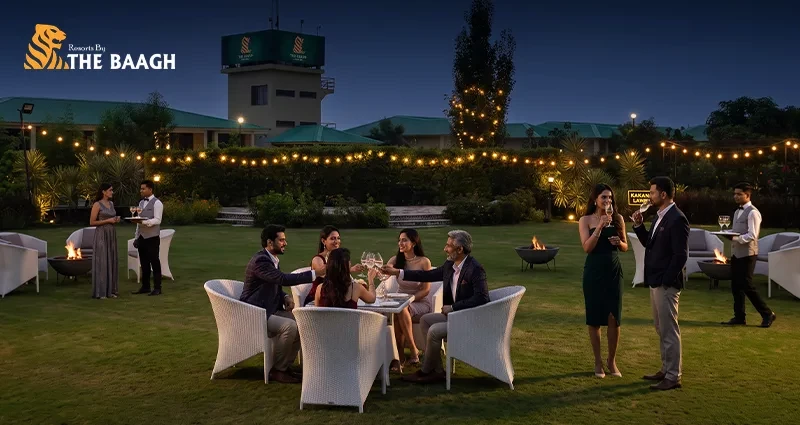
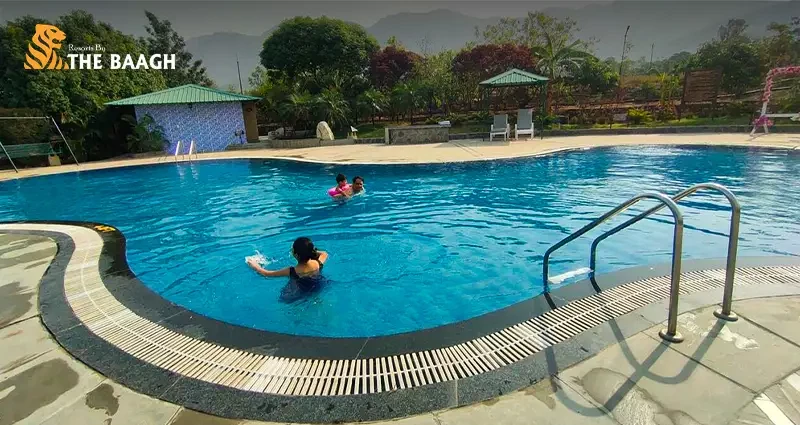
With children, the resort is not a place to sleep. It is half the holiday. Resorts By The Baagh sits on the edge of the park and builds stays around exactly this, with dawn tiger safaris, guided forest walks, riverside hi tea and stargazing evenings. Its suites accommodate extra guests, sparing parents the usual adjoining room negotiation.
Choosing the best resort in jim corbett is less about thread count and more about whether a property can keep a restless nine year old occupied between safaris.
A Thought Worth Carrying Into the Forest
"The tiger is a large-hearted gentleman with boundless courage and when he is exterminated, as exterminated he will be unless public opinion rallies to his support, India will be the poorer by having lost the finest of her fauna." Source: Jim Corbett, Man-Eaters of Kumaon (1944)
Why it matters here: Corbett framed conservation as a public duty, not a specialist one. Bringing children into this forest respectfully is how that public opinion gets built, one curious generation at a time.
Frequently Asked Questions
1. What is the best time to visit Jim Corbett with young children?
November to February is ideal for comfort and birdwatching, while March to June delivers stronger tiger sightings. Avoid peak monsoon, since core zones close from mid June to mid November each year.
2. Do Jim Corbett national park packages include safari permits for kids?
Most reputable Jim Corbett national park packages include permits, jeep hire and a licensed naturalist. Children's entry is charged separately at reduced rates, so confirm inclusions in writing before you pay any advance.
3. How many days do family Jim Corbett tour packages usually cover?
Two nights and three days suits families best. It allows one morning safari, one relaxed resort day and a museum visit, without exhausting younger children or rushing the wildlife experience.
4. What makes a property the best resort in Jim Corbett for families?
Proximity to zone gates, in house naturalists, flexible dining hours, safe open spaces and rooms that comfortably fit three or four guests together matter far more than luxury alone.
5. Is a Jim Corbett safari safe for a five year old?
Yes, provided you choose Bijrani or Jhirna, book a morning slot, use a canter or jeep with a licensed guide, and brief your child on staying seated throughout.
Conclusion
Corbett rewards families who plan quietly and travel gently. Get the season right, pick a forgiving zone, brief the children before boarding, and choose a base that treats the forest as the main attraction. The tiger may not appear. The memory of a first jungle morning always does.
Your Journey, Elevated
Turn Your Getaway Into
An Experience
An Experience
Leave the ordinary behind and discover journeys designed around the moments that matter. From stunning destinations to unforgettable stays, every detail is thoughtfully planned to make your escape feel truly special.
Whether you're looking for adventure, relaxation, or something in between, we're here to help you explore, unwind, and create memories worth taking home.