


A Luxury Winter Escape to Jim Corbett: What to Expect from November to February
Read More
Most travellers picture Jim Corbett only in winter, when the mornings are crisp and the safari jeeps line up before sunrise. Very few ask what the park looks like when the crowds thin out. Between June and October, the landscape shifts completely, and choosing the right Resort in Jim Corbett during these months gives you an entirely different experience of the same destination. The forest gets louder, greener, and far more alive. If you have only visited in December, you have essentially seen half the story.
The Monsoon Reset Nobody Talks About
The core zones of Corbett Tiger Reserve close from mid-June to mid-November. This is not a technical formality. It is the breeding season for most resident species, and the forest department steps back deliberately to let the ecosystem recover.
Here is what actually happens during this window:
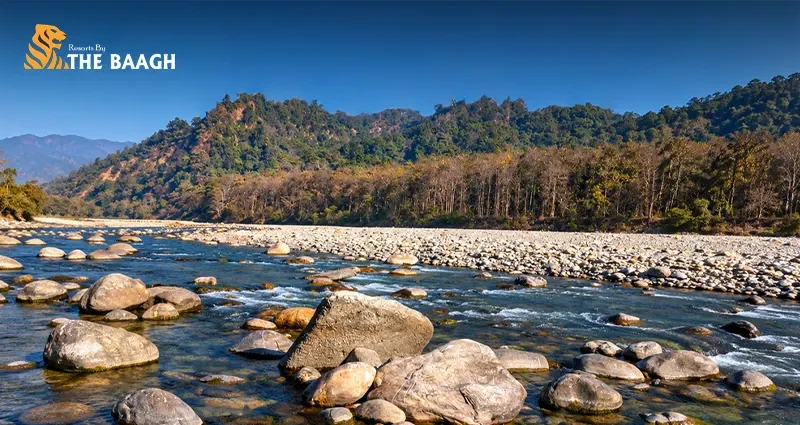
- The Ramganga swells and reshapes its own banks
- Grasslands that looked burnt in May turn waist-high within weeks
- Elephant herds move to higher ground and become easier to spot from buffer roads
- Birding peaks as migratory and resident species overlap
- Room rates drop sharply while service quality stays the same
That last point matters more than most people realise. Off-season pricing at Resorts in Corbett is not a sign of compromise. It is simply demand-based, and it is the single best time to book properties you would otherwise skip.
June: The Last Heat Before the Break
Early June is still hot, often crossing 38 degrees. But it is also the final stretch of prime wildlife viewing, because animals concentrate around shrinking water sources.
What changes:
- Sightings become predictable rather than lucky
- Morning safaris start earlier to beat the heat
- Evening drives feel cooler and more comfortable
- The forest is dry, open, and visibility is at its best
By the third week of June, the first rains arrive and everything begins to change.
July and August: The Forest Takes Over
This is the period most travel guides ignore, and it is a mistake. The rain transforms Corbett into something closer to a rainforest than a dry deciduous belt.
Realistically, here is what you should expect:
- Jhirna and Dhela buffer zones remain open year-round
- Trails get muddy and some routes become inaccessible
- Leeches appear in the denser stretches
- Waterfalls near Kaladhungi come alive
- Photography light becomes soft and dramatic
The trade-off is genuine. You lose guaranteed core-zone access. You gain a landscape that most visitors never see. For anyone who values atmosphere over checklist sightings, this is the sweet spot.
September: The Quiet Turning Point
September is when the region begins settling. Rain reduces to intermittent showers, humidity drops, and the greenery reaches its peak without the discomfort of peak monsoon.
Practical shifts during this month:
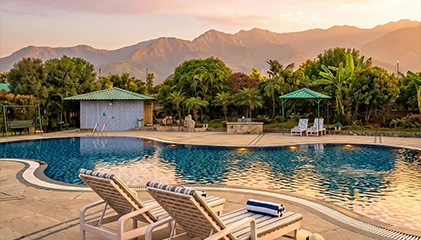
- Riverside stays become genuinely pleasant again
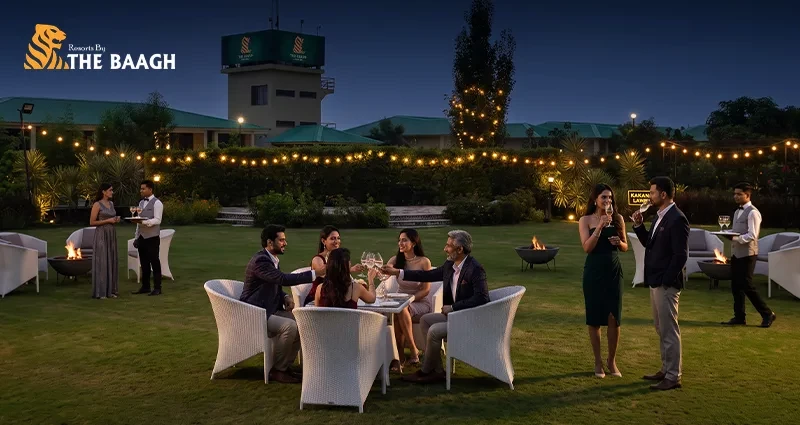
- Outdoor dining and bonfire evenings return
- Road conditions improve week by week
- Advance bookings start climbing for October
This is the month experienced travellers quietly target. The Best Resorts in Jim Corbett are still reasonably priced, the weather cooperates, and the forest looks its absolute best.
October: Reopening and Renewal
Mid-October marks the gradual reopening of core zones, starting with Dhikala and Bijrani depending on forest department clearance.
What returns:
- Full safari access across most zones
- Clear skies and comfortable temperatures
- Higher tourist volume and rising tariffs
- Wildlife emerging from a season of undisturbed breeding
October offers a rare combination. The monsoon greenery has not faded yet, but the accessibility of winter has already arrived. Many regulars consider these three weeks the best value window of the entire year.
Choosing Where to Stay Changes Too
Off-season travel demands a different filter when selecting accommodation. In winter, location near a safari gate matters most. Between June and October, what matters is what the property itself offers when you cannot spend six hours in a jeep.
Look for:
- Covered common areas and indoor recreation
- Reliable power backup and drainage
- Naturalists on staff who conduct guided nature walks
- Proximity to buffer zones that stay open
- Genuine riverside or forest-facing views
A well-run Resort in Jim Corbett treats the off-season as an opportunity to slow down rather than a period to endure. That distinction shows up in everything from menu planning to how the staff manage a rainy afternoon.
A Thought Worth Carrying
"In every walk with nature one receives far more than he seeks." Source: John Muir, Scottish-American naturalist and founder of the Sierra Club
Explanation: Muir believed nature rewards presence, not planning. Corbett in the off-season proves this exactly. Visitors arrive expecting fewer sightings and leave with something quieter and more lasting instead.
The Honest Verdict
The off-season is not for everyone. If your single goal is a tiger photograph, book November through May. But if you want a forest without engine noise, mornings without crowds, and a genuine sense of the place, June to October delivers something winter simply cannot.
The Resorts in Corbett that understand this build their entire off-season experience around it. Slower mornings, longer meals, guided walks instead of rushed drives, and staff who have time to actually talk to you.
Frequently Asked Questions
Is it worth booking a Resort in Jim Corbett during the monsoon months?
Yes, absolutely. Buffer zones like Jhirna and Dhela remain open throughout the year, tariffs are considerably lower, and the forest landscape is at its most photogenic during heavy monsoon greenery.
Which safari zones stay open between June and October?
Jhirna and Dhela buffer zones operate year-round, weather permitting. Core zones including Dhikala and Bijrani close from mid-June and typically reopen in phases from mid-October after forest department clearance each season.
Do the Best Resorts in Jim Corbett reduce services during off-season?
Reputable properties maintain full service standards throughout the year. Staffing, dining, housekeeping, and naturalist-led activities continue normally, with some outdoor facilities adjusted temporarily depending on rainfall and ground conditions.
What should I pack for an off-season Corbett trip?
Quick-dry clothing, waterproof footwear, insect repellent, a light rain jacket, and a dry bag for camera equipment. Salt or anti-leech spray helps considerably during dense forest walks in July and August.
Is September a good month to visit Corbett with family?
September works very well for families. Rainfall reduces significantly, temperatures stay comfortable, greenery peaks, and buffer zone safaris operate reliably, making it ideal for children and older travellers alike.
Final Word
Corbett does not shut down between June and October. It simply changes rhythm. The travellers who understand this get a version of the park that no peak-season visitor will ever experience.
If you are planning a stay during these months, Resorts by the Baagh offers exactly the kind of setting this season deserves, positioned among the Best Resorts in Jim Corbett for travellers who want the forest on its own terms rather than a checklist itinerary.
Your Journey, Elevated
Turn Your Getaway Into
An Experience
An Experience
Leave the ordinary behind and discover journeys designed around the moments that matter. From stunning destinations to unforgettable stays, every detail is thoughtfully planned to make your escape feel truly special.
Whether you're looking for adventure, relaxation, or something in between, we're here to help you explore, unwind, and create memories worth taking home.